
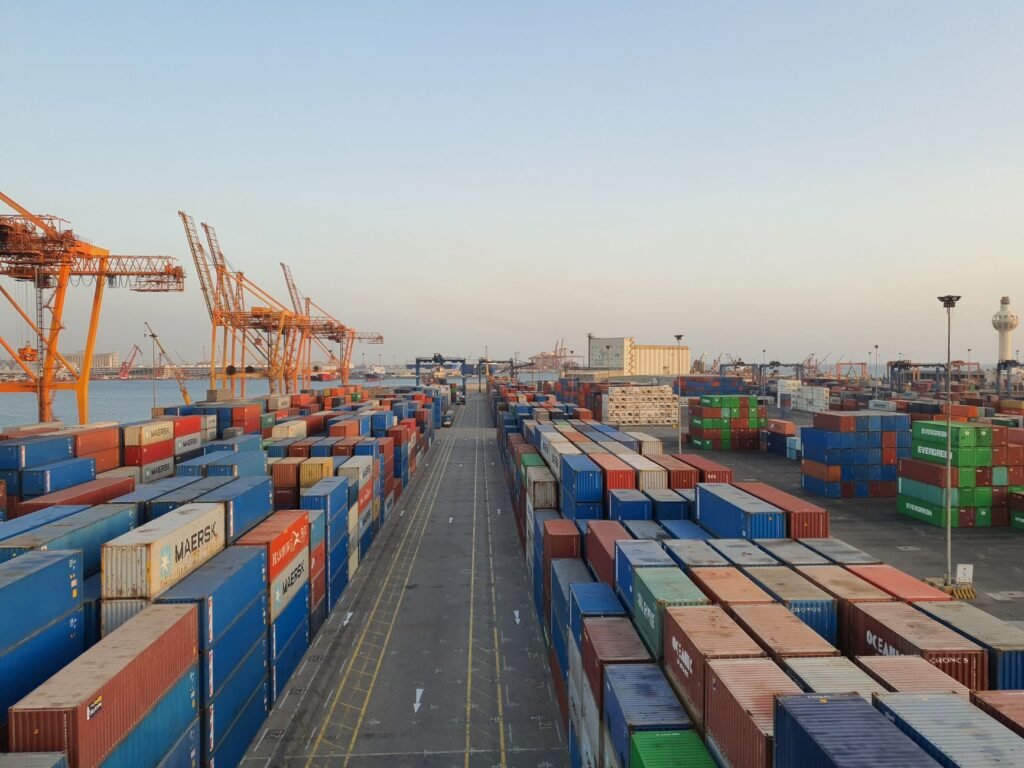
You’ve decided to trade across borders — goods coming in, goods going out, the UAE sitting at the middle of it all. That’s a sensible call. Jebel Ali Port alone handles over 14 million TEUs a year, and the UAE re-exports to more than 200 countries. If you’re ready to set up, this guide walks you through every step of the import export business setup process from choosing a jurisdiction to handing over your first customs declaration — no vague overviews, just the mechanics that actually matter in 2026.
By the end of this article you’ll know which licence you need, exactly how to get your Federal Customs Authority (FCA) registration code, what the whole process costs in AED, and the realistic timeline from application to first shipment. — see our cheapest UAE free zones for trading guide
What Does an Import Export Business Setup in UAE Actually Require?
To run a legitimate import export business setup in UAE you need two things the authorities treat separately: a trade licence from your chosen free zone authority, and a customs client code issued by the Federal Customs Authority. The licence covers your legal right to trade; the customs code is what connects you to the Mirsal 2 declaration system that every commercial shipment through UAE ports must pass through. Without both, goods stay on the dock.
These two registrations can run in parallel once you have your trade name approved — so the overall process is faster than many founders expect.
Quick navigation: 1. Choose Your Jurisdiction · 2. Get Your Trade Licence · 3. Register for a Customs Code · 4. Open a Bank Account · 5. Costs in AED · 6. Timeline · FAQ
Step 1: Choose Your Jurisdiction — Free Zone Trading Licence
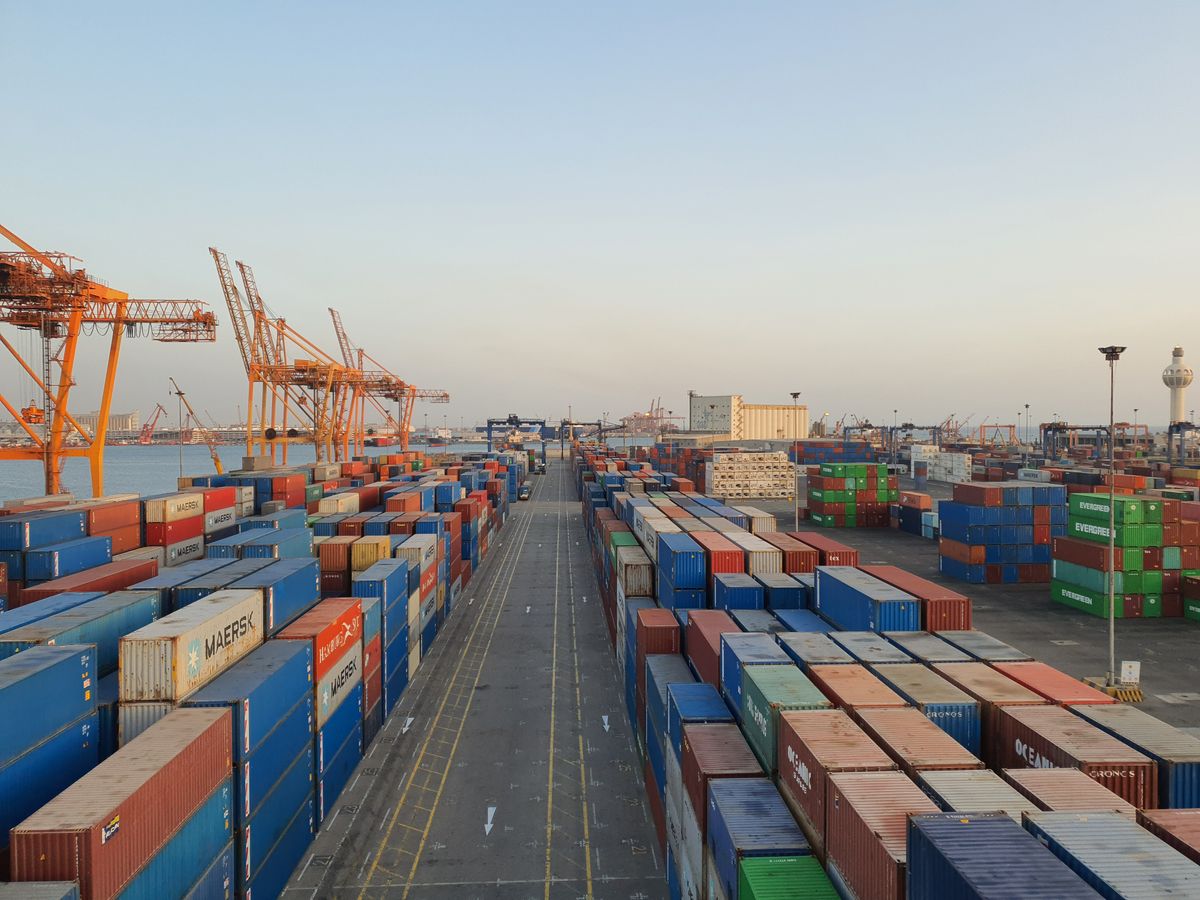
The first decision shapes everything else: which authority will issue your trading licence. In the UAE, free zones are the go-to for import export business setup because they offer 100% foreign ownership, straightforward customs code applications, and zero duty on goods that stay within the free zone perimeter or transit through it.
Several free zones are purpose-built for trading businesses. Here is how the leading options line up:
RAKEZ (Ras Al Khaimah Economic Zone) is consistently the most cost-effective starting point for general trading. A basic trading licence starts from around AED 9,000 per year and covers a wide range of product categories under a single General Trading licence or individual activity licences. The zone has its own dedicated port — Port Saqr — which gives RAKEZ traders a competitive edge for bulk cargo and industrial goods moving by sea.
ANCFZ (Ajman National Creative and Financial Zone) offers one of the lowest licence fees in the country for light trading, starting from approximately AED 5,750 per year. It is particularly popular among entrepreneurs running smaller-volume import export operations in electronics, consumer goods, and textiles who want a lean cost base from day one.
IFZA (International Free Zone Authority) in Dubai combines geographic proximity to Al Maktoum International Airport and the Jebel Ali corridor with a professional company setup experience. Packages start from around AED 10,000 and IFZA is a strong fit for traders who need a Dubai-based address for commercial relationships or who ship air freight alongside sea cargo.
Other free zones worth exploring for specific trade sectors include SPC Free Zone (e-commerce and product distribution), HFZA (heavy equipment and manufacturing inputs), and SRTIP (technology products). The right choice depends on your product category, preferred port access, and annual licence budget — not one-size-fits-all advice.
For your business activity selection, be precise. A “General Trading” activity covers a wide basket of goods under one licence number, which is ideal if you are moving multiple product categories. A specific activity (e.g., “Trading in Electronics,” “Import and Export of Food Products”) gives a leaner licence at a lower cost but restricts your product list — adding activities later is straightforward but incurs a small amendment fee.
Step 2: Apply for Your Trade Licence
Once you have chosen your free zone, the import export business setup application is largely administrative. Here is what the process looks like: — see our UAE free zone residence visa guide guide
- Reserve a trade name. Submit two to three name options to the free zone authority. Names referencing UAE, Emirates, National, or specific Emirates require additional approval.
- Submit incorporation documents. Typically: passport copies of all shareholders and directors, a completed application form, and a No Objection Certificate if you are already on a UAE residence visa under another employer.
- Initial approval and payment. Once documents clear, you receive an initial approval letter. Pay the licence fee and any package fees (e-desk, flexi-desk, or office depending on your needs).
- Receive trade licence. The free zone issues your trade licence — the legal document that names your company and its permitted activities. Digital copies are issued instantly; physical licences typically follow within a few days.
Most free zones now process straightforward applications entirely online. End-to-end, expect one to two weeks from document submission to having your licence in hand, assuming paperwork is complete on first submission.
Step 3: Register for a Federal Customs Authority Client Code
Your trade licence alone does not let you clear goods through UAE customs. For that you need a Customs Client Code from the Federal Customs Authority, registered through the relevant emirate’s customs portal (Dubai Customs via the Dubai Trade Portal, Abu Dhabi Customs, Sharjah Customs, etc.).
The registration involves:
- Your trade licence number and copy
- Memorandum and Articles of Association
- Passport copies of authorised signatories
- A refundable security deposit — typically AED 5,000 for new importers/exporters — plus a registration fee of AED 120
Processing time is one to three working days for standard applicants. Once issued, your Customs Client Code links your company to the Mirsal 2 declaration system (the UAE’s electronic customs clearance platform), allowing you to file import and export declarations directly or through a licensed customs broker.

2026 HS code update — mandatory from February 2026. UAE Customs moved to mandatory 12-digit Harmonised System codes for all commercial imports and exports, replacing the previously accepted 8-digit codes. If your customs broker or ERP system is still running 8-digit codes, fix this before your first shipment. Wrong or incomplete HS codes result in shipment holds and potential penalties. The Federal Customs Authority publishes the full updated tariff schedule on its website.
A practical shortcut: if you are new to trade, engage a licensed UAE customs broker for the first six to twelve months. Brokers who are registered with the relevant emirate’s customs authority know the HS code classifications, duty rates, and any restricted-goods permits relevant to your product category. The cost is manageable — typically AED 200–500 per shipment declaration — and avoids costly hold delays while you learn the system.
Step 4: Open a Corporate Bank Account
A UAE corporate bank account is not optional for a functioning import export business — you need it to pay suppliers, receive buyer payments in foreign currency, and settle customs bonds. For a full walkthrough of which banks are most import-export-friendly and what documentation they require, see our guide on opening a corporate bank account for your UAE company.
The condensed version: bank KYC for trading companies is typically more intensive than for service businesses, because banks are screening for trade-based money-laundering risks. Have your trade licence, memorandum, business plan, and proof of contracts or purchase orders ready from day one. Some traders open with an international bank (HSBC, Standard Chartered) for multi-currency trade finance access; others prefer UAE national banks (Emirates NBD, FAB) for local credibility with suppliers. Either path works — the key is submitting a complete, professional application.
Allow three weeks from application to receiving your account details and first chequebook. Some banks move faster with introducers; others are predictably methodical.
Step 5: Import Export Business Setup Costs in UAE (2026)
Here is an honest summary of what a lean import export business setup costs in 2026 across the most common free zones. Figures are approximate starting points — actual fees depend on activity count, visa allocation, and whether you take flexi-desk or physical office space.
| Free Zone | Annual Licence (from) | Best For |
|---|---|---|
| RAKEZ | AED 9,000 | Bulk/industrial trading, port access |
| ANCFZ | AED 5,750 | Lean-cost light trading, SMEs |
| IFZA | AED 10,000 | Dubai-based address, air & sea freight |
| SPC Free Zone | AED 6,500 (est.) | E-commerce, consumer goods distribution |
On top of licence fees, budget for:
- Customs Client Code registration: AED 120 (non-refundable) + AED 5,000 refundable security deposit
- Visa fees: AED 3,000–5,000 per investor/employee visa depending on free zone
- Bank account opening: Nil to AED 5,000 minimum balance depending on bank and account type
- Customs broker retainer or per-shipment fee: AED 200–500 per declaration
A realistic first-year budget for a sole-trader general trading company with one visa, a flexi-desk at RAKEZ, and a basic Mashreq NEO business account: approximately AED 20,000–28,000 all-in. See our full UAE business cost budget planner for a detailed breakdown across all cost categories.
How Long Does the Import Export Business Setup Process Take?
Assuming clean documentation on first submission, here is the realistic import export business setup timeline:
- Trade name approval: 1–2 working days
- Trade licence issuance: 5–10 working days from initial approval (varies by free zone)
- Customs Client Code: 1–3 working days after trade licence is issued
- Corporate bank account: 10–21 working days from application to active account
Total: four to six weeks from your first document submission to a fully operational import export business setup in UAE — licence in hand, customs code active, bank account open. If you use a professional business setup service to manage the paperwork chain, the licence and customs code stages can compress to as little as two to three weeks total.
One practical note: start your bank account application as soon as your trade licence is issued, rather than waiting for the customs code. The two processes can run in parallel, and banking is the longest single step in the chain.
Frequently Asked Questions
Can a foreigner own 100% of an import export business in UAE?
Yes. All UAE free zones allow 100% foreign ownership of trading companies with no requirement for a local UAE national shareholder or sponsor. This is one of the key advantages that make the import export business setup in UAE free zones the preferred route for international entrepreneurs and investors.
Do I need a physical warehouse or office to run an import export business?
Not immediately. Most free zones offer flexi-desk or virtual office packages that satisfy the licence address requirement without committing to full warehouse space. Goods can be stored in third-party licensed warehouses or in your free zone’s managed logistics facilities. As volume grows, upgrading to dedicated warehouse space within the free zone is straightforward.
What is an HS code and why does it matter for UAE imports and exports?
An HS (Harmonised System) code is an internationally standardised number that classifies every traded product — from machinery to food to textiles. UAE Customs requires a 12-digit HS code on every commercial import and export declaration as of February 2026. Using the wrong code triggers holds and potential penalties, so verifying your product classification before your first shipment is essential. A licensed customs broker can confirm the right code for your product category.
Can I sell directly to UAE customers from my free zone company?
Free zone companies can sell to UAE mainland customers, but the goods must be formally imported through a licensed importer of record or a UAE mainland distributor — they cannot be sold directly from the free zone warehouse to an end customer without clearing UAE customs and paying applicable duties. Many import export businesses handle this by either engaging a local distributor or establishing a separate mainland trading branch for domestic sales while keeping the free zone entity for international sourcing and re-export.
How much working capital do I need before my first shipment?
Beyond setup costs, budget for the cost of your first order of goods, customs duties and clearance fees on arrival, and 30–60 days of operating runway before your first receivables come in. Most new trading businesses find that working capital — not the licence cost — is the real constraint. UAE-based trade finance instruments (letters of credit, invoice discounting) are available once your company and bank account are established. WhatsApp our team on +971 585 978 602 if you want an introductory conversation about structuring your first trade cycle.
The bottom line: the import export business setup UAE process is structured but genuinely fast when you approach it in the right sequence. A free zone trade licence, a Federal Customs Authority client code, and a UAE corporate bank account are the three pillars — and with the right free zone choice and clean paperwork, all three can be in place within four to six weeks. If you want a walkthrough of your specific product category, the best free zone fit, and an accurate first-year cost estimate, reach out on WhatsApp: +971 585 978 602 or email info@startzoneuae.com.
If your UAE business model is franchise-based rather than direct import-export, our guide to franchise business setup in UAE 2026 covers licensing, franchise agreement requirements, and cost structures.

