
If you are considering Hamriyah Free Zone for your UAE company, expect an all-in first-year cost between AED 15,000 and AED 50,000 depending on your license type, facility choice and how many visas you need. Setup typically takes three to ten working days once your documents are in order, and the zone is particularly well-suited to trading, industrial, logistics and food-sector businesses. By the end of this guide you will know exactly which license applies to your activity, what each facility tier costs, how many visas you can sponsor, and the step-by-step process to get registered.
What Is HFZA and Who Is It For
Hamriyah Free Zone Authority, known as HFZA, is a government-run free zone in Sharjah located on the coast adjacent to Hamriyah Port. It opened in 1995 and has grown into one of the most established industrial and trading free zones in the northern emirates, hosting businesses from more than 160 countries.
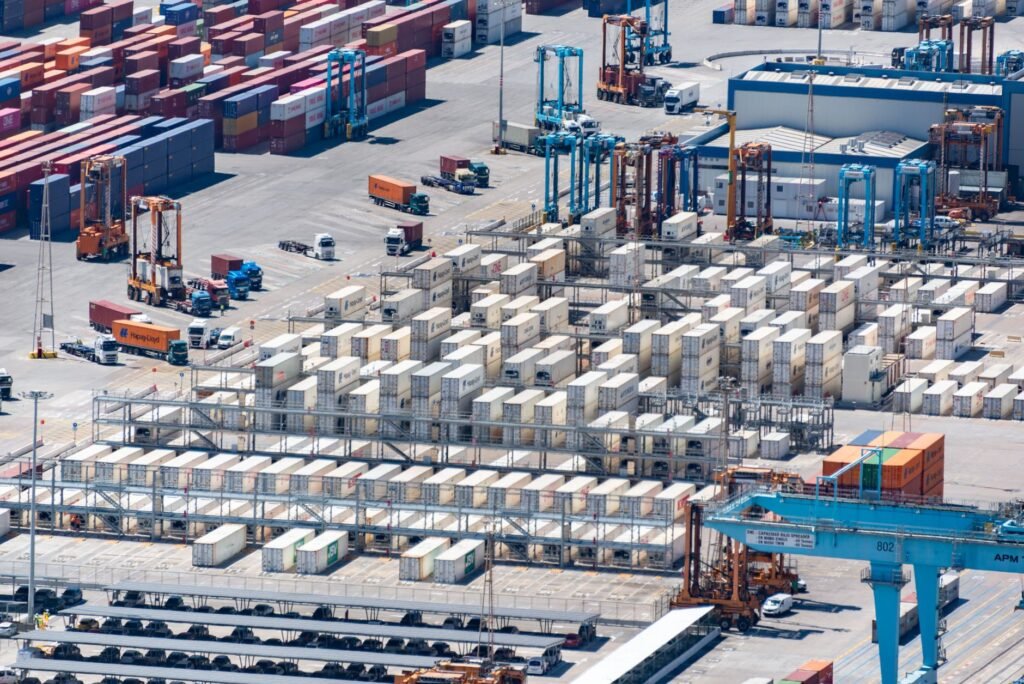
The zone was purpose-built for companies that need physical operational space. If your model involves importing raw materials, manufacturing or assembling products, storing and distributing goods, or running logistics operations linked to a seaport, HFZA gives you direct access to Hamriyah Port’s berths and container facilities. That physical connection to a working port is meaningful — it removes the intermediate trucking step that adds time and cost when your goods have to move from a landlocked free zone to a distant terminal.
HFZA is also home to a dedicated Food Park, a cluster of licensed units designed specifically for food processing, repacking, packaging and Halal certification operations. If your business touches food imports, production or distribution, this sub-zone has infrastructure that is difficult to replicate elsewhere.
For service and consultancy businesses, HFZA offers office-based licenses, though its real strength lies with companies that need warehouses, industrial land or factory units.
License Types Available at HFZA
HFZA issues three core license types, each mapped to a specific category of business activity.
Industrial License. This covers manufacturing, processing, assembly and packaging operations. Companies on an industrial license can import raw materials through Hamriyah Port, run production inside their facility and export finished goods internationally. It is the appropriate license for anyone making or assembling physical products.
Trading License. A trading license covers import, export, distribution and storage of goods. Specific trading licenses list up to three to five activities; a general trading license allows a broader range of product categories. If you are moving goods internationally without manufacturing them, this is your license type.
Service License. A service license covers professional and consultancy activities — management consulting, IT services, marketing, business advisory and similar. It allows you to operate from an office facility within the free zone.
All three license types come with 100% foreign ownership, no requirement for a UAE national partner, full repatriation of profits and no personal income tax. Companies generating qualifying income under the UAE’s Free Zone Persons regime are eligible for the 0% corporate tax rate on that income — understanding which revenue qualifies is worth reading before you finalise your structure.
HFZA Facility Options and What They Cost
Your facility choice at HFZA determines your license cost, your visa quota and your monthly overhead, so it is worth spending time on this decision before you apply.
Flexi-Desk (Virtual Office). The entry point for service and trading companies that do not need physical workspace on-site. A flexi-desk package at HFZA includes shared access to meeting rooms and a registered address at the Hamriyah Business Centre. License fees for this tier start around AED 8,000 to AED 11,000 per year, and the package supports between one and seven visas — a quota that is notably high for a virtual arrangement. Total first-year cost including registration fees typically falls in the AED 15,000 to AED 25,000 range before visas.
Smart Business Office (10 sqm). A small private office inside the Business Centre. This option supports four to seven visas and gives your team a dedicated workspace. First-year costs for this tier generally sit in the AED 20,000 to AED 35,000 range depending on the activity type and number of visas processed.
Standard Business Office (15–20 sqm). A larger private office that accommodates seven to eight visas. The extra floor space makes this a practical choice for a small team that intends to operate partly from within the free zone.
Warehouse Units. Warehouses at HFZA start at 200 sqm and scale up to 400 sqm and 600 sqm units. The visa quotas scale accordingly — 25 visas for a 200 sqm unit, 40 for 400 sqm and 50 for 600 sqm. For any business with a physical operations team, these quotas are one of the reasons HFZA is shortlisted over smaller or purely office-based zones. Total first-year costs for a warehouse setup, including license, registration and a modest initial visa count, typically range from AED 35,000 to AED 50,000 and above depending on unit size and activity.
Industrial Land and Factory Units. For larger manufacturing operations, HFZA offers plots and pre-built factory shells on longer leases. These are priced and structured on a case-by-case basis and are best discussed directly with the HFZA business development team.
A practical note on budgeting: HFZA offers multi-year license packages, and paying two or three years upfront can attract a discount of 15 to 20%. For businesses confident they will be operating long-term, this reduces the effective annual cost meaningfully. A full cost planner for UAE business setup can help you map out both year-one spend and ongoing annual expenses before you commit.
Visa Quota and Residency
One of HFZA’s standout features is the volume of visas available relative to the size of the facility. Even a basic flexi-desk arrangement allows you to sponsor up to seven people for UAE residency. That is above the average for virtual or flex-office setups across UAE free zones.
Visa costs at HFZA for 2026 run approximately AED 4,500 per person on an all-in basis, covering entry permit, medical screening, Emirates ID and residency stamping. Investor and partner visas are structured differently and the all-in cost is typically higher, running around AED 9,000 to AED 10,000 depending on the service route you use.
As a free zone company owner, you qualify for a free zone investor residence visa, which grants a two- or three-year residency and enables you to open a personal bank account in the UAE. If you intend to bring family members, sponsor family members on a free zone visa covers the requirements and process in detail.
It is worth noting that free zone employees work under the free zone’s own labour framework rather than MOHRE’s standard employment procedures — though some categories of visa processing still involve the Federal Authority for Identity, Citizenship, Customs and Port Security for biometrics and Emirates ID.
If you are setting up a company to qualify for the UAE Golden Visa, HFZA’s investor visa can serve as a stepping stone, but the Golden Visa requires specific investment thresholds that go beyond a standard free zone license.
The HFZA Registration Process Step by Step
The process to set up in HFZA follows a logical sequence and is handled through the zone’s e-portal and in-person business centre. Here is what to expect.
Step 1: Choose your license type and activity. Before submitting anything, confirm the correct license type for your business and identify the specific activities you want listed. HFZA’s activity list runs into the hundreds, primarily across industrial, trading and service categories. Getting this right at the outset avoids amendments later.
Step 2: Choose your facility. Select the office or warehouse type that matches your operational needs and visa quota requirements. If you are unsure, HFZA’s business development team will walk you through the options during a consultation at the Hamriyah Business Centre.
Step 3: Submit your application and documents. Core documents include passport copies for all shareholders and directors, a completed application form, a business plan (required for industrial and some trading licenses), and — for corporate shareholders — relevant company documents from the parent entity. The HFZA e-portal accepts applications online, and straightforward service or trading applications can be processed within one working day if the documentation is complete.
Step 4: Pay license and registration fees. Once your application is reviewed and approved, you pay the license fee, registration fee and any facility deposit. Payment can often be structured quarterly or semi-annually for some facility types.
Step 5: Sign your lease agreement. For office and warehouse facilities, you sign a lease at this stage. For flexi-desk packages, the signed license agreement covers your facility access.
Step 6: Receive your license. Your HFZA trade license is issued, giving you legal standing to operate in the free zone, open a corporate bank account and begin visa applications.
Step 7: Process visas. Investor visas are typically processed first, followed by employee visas as you hire. The full residency process including Emirates ID takes two to four weeks per person in normal processing times. Thinking through which banks to approach and what they need at this stage is useful — opening a corporate bank account as a free zone company is a parallel process that often takes longer than the license itself.
Need to talk through which facility suits your budget and activity? WhatsApp us on +971585978602 and we will give you a straight read on which HFZA setup makes sense for your business.
What to Know About Ongoing Compliance
HFZA companies are subject to the same annual renewal cycle as other UAE free zones. Your trade license renews annually, and your facility lease renews on its agreed term. Letting either lapse can suspend your ability to operate and process visas, so calendar these dates when you set up.
Under UAE corporate tax rules introduced in 2023, free zone companies must file an annual tax return even if their taxable income is zero — there is no opt-out from filing. Companies earning qualifying income are eligible for the 0% rate; those earning non-qualifying income above a de minimis threshold pay the standard 9% on that portion. UAE free zone annual compliance deadlines and what they cover gives a fuller picture of what is due and when.
Visa renewals run on two- or three-year cycles and should be tracked separately from the license renewal. HFZA companies that have employees will also need to manage their labour cards and maintain a proper payroll record.
Frequently Asked Questions About HFZA Setup
How much does it cost to set up in HFZA in 2026?
First-year costs start around AED 15,000 for a basic service or trading license with a flexi-desk. A trading or industrial setup with an office and a small visa count typically costs AED 25,000 to AED 35,000. Warehouse setups for logistics or industrial operations range from AED 35,000 upward depending on unit size and staffing level, with visa costs on top at approximately AED 4,500 per person.
How long does HFZA company registration take?
Three to ten working days for most standard applications. If your documents are complete and your activity is straightforward, some applications are processed in a single working day. Industrial licenses that require factory or land allocation take longer due to the additional approvals involved.
What types of businesses do best in HFZA?
HFZA is particularly well-suited to import and export trading, industrial manufacturing, food processing and packaging, logistics and supply chain operations, maritime services, and oil and gas equipment. Companies that benefit most are those that need a physical facility linked to a working port.
Can I operate a service business from HFZA?
Yes. A service license from HFZA’s Hamriyah Business Centre allows you to operate a consultancy, IT, marketing or professional services business from a flexi-desk or private office. The visa quota — up to seven visas on a flexi-desk — is a practical advantage for small service teams.
Can HFZA company owners get UAE residency?
Yes. As a shareholder or investor in an HFZA company, you qualify for a free zone investor residence visa, valid for two to three years and renewable. This grants you UAE residency, an Emirates ID and the right to open a personal bank account. Free zone investor residence visa process and costs covers the documentation and timelines in detail.
The Bottom Line
HFZA is a well-established, port-connected free zone in Sharjah that works particularly well for trading, industrial and logistics businesses that need physical operational space and meaningful visa capacity. License costs from AED 8,000 per year and a flexi-desk quota of up to seven visas make even the entry-tier option genuinely usable for small teams. The proximity to Hamriyah Port, the availability of warehouses from 200 sqm, and the dedicated Food Park are infrastructure advantages that are not easily replicated.
If your business involves physical goods — importing, manufacturing, repacking or distributing — HFZA deserves a detailed look. If you are purely service-based, it is still worth comparing the visa quota and cost per visa against other zones to see where the value lands for your headcount.
Ready to get specific numbers for your situation? WhatsApp the StartZone UAE team on +971585978602 or email info@startzoneuae.com and we’ll map out an HFZA cost estimate against your activity and team size.
Related: UAE company formation guide | UAE corporate bank account for freezone companies

