
Ajman Free Zone advertises licences from around AED 6,000, and that figure is true in the narrow sense that makes it good marketing and poor budgeting. An Ajman Free Zone company setup at that price buys a zero-visa Sole Professional licence and nothing else — no establishment card, no e-Channel registration, no residency. Add the one visa most founders actually came for and the year-one number lands closer to AED 20,000. What makes the zone worth the look anyway is something the pure virtual-office budget zones cannot offer: it was built in 1988 next to a working sea port, and it still leases real warehouses and land. Here is what an Ajman Free Zone company genuinely costs in 2026, how the licence structure traps founders who mix activities, what your facility does to your visa ceiling, and where the zone is simply the wrong answer.
Ajman Free Zone Is a Port Hub, Not a Virtual Office
Ajman Free Zone (AFZ) was established in 1988 next to Ajman Port and licenses over 2,000 activities across FZE, FZC and branch structures. It suits cost-sensitive traders, light industry and freelancers, and it is a separate jurisdiction from Ajman Media City Free Zone.
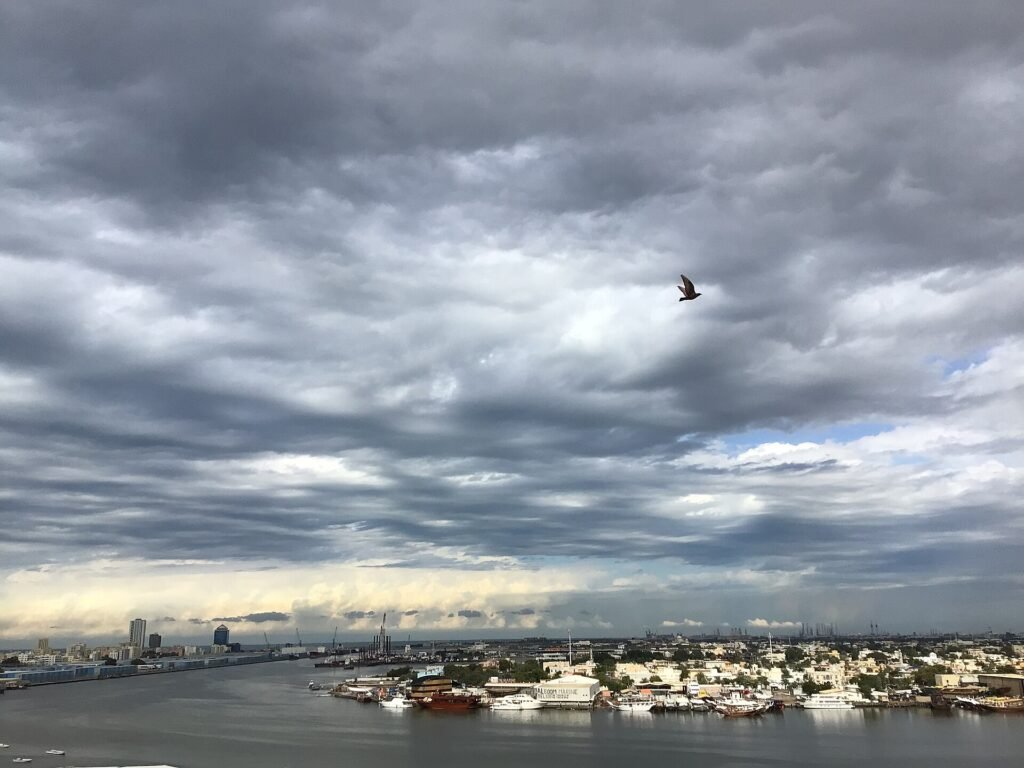
AFZ is not one of the paper-only zones that appeared across the northern emirates in the last decade. It is a mature regulator built around Ajman Port, and for anyone importing, storing, repacking and re-exporting physical goods that proximity is the point. It leases actual warehouses and land plots, which most budget zones simply do not have. The cost of that is distance: downtown Dubai is roughly 45 to 60 minutes away, and considerably worse at peak. Geography is the single largest trade-off in this decision.
Three entity types are available — the Free Zone Establishment (FZE) for a single shareholder, the Free Zone Company (FZC) for two or more, and branches of existing UAE or foreign companies. Across them the authority lists over 2,000 approved activities spanning manufacturing, general trading, consultancy and e-commerce.
One confusion is worth clearing early, because it costs people money. Ajman Free Zone and Ajman Media City Free Zone (AMCFZ) sit in the same emirate and are otherwise unrelated: different regulators, different portals, different pricing. AMCFZ is the younger, virtual, media-focused zone known for the social media influencer licence. It has no port access and no industrial infrastructure. If your business needs a warehouse, you need AFZ, and a licence bought from the wrong one cannot lease the space you were planning on.
The Advertised Price Is Not Your Setup Budget
An Ajman Free Zone company setup starts from roughly AED 6,000 for a freelancer licence and runs to AED 25,000 for industrial, but government charges for the first residence visa add roughly AED 7,250 on top. A trading licence with one visa realistically costs AED 19,000 to AED 22,000 in year one.
The licence fee itself varies by class. A Sole Professional or freelancer licence starts around AED 6,000, a service licence around AED 9,000, and a standard trading licence around AED 12,000. General trading, which lets you deal in unrelated categories of goods, starts near AED 14,000. An industrial licence begins around AED 25,000 and excludes the warehouse or land you will also have to lease. Zero-visa entry packages sit near AED 9,000; packages carrying up to four visas reach roughly AED 22,000, and general trading packages with visa allocations run AED 14,000 to AED 27,000. VAT at 5% applies to most of these service fees and is rarely quoted upfront.
What the headline hides is the residency stack. Per visa, budget roughly AED 1,000 for the entry permit, AED 800 for an in-country status change, AED 400 for the medical fitness test, AED 500 for the Emirates ID and AED 1,500 for visa stamping. At company level there are two one-offs: an establishment card at roughly AED 750 a year, without which you cannot sponsor anybody, and e-Channel registration at roughly AED 2,300. That is about AED 7,250 in government charges before your first employee has done anything.
So the honest arithmetic for a solo founder taking a trading licence plus one residence visa is AED 19,000 to AED 22,000, not the AED 12,000 on the pricing page. And it is not a one-off. Renewal is broadly the same as the initial package fee, which is where the cheap zones stop looking cheap — the gap between advertised and actual repeats every year. AFZ revises its packages and promotional rates regularly, so treat all of these as an indicative planning range and confirm against the zone’s own cost calculator before you commit.
The Activity Grouping Rule Catches Most Founders
AFZ licences centre on Business, Industrial and Sole Professional categories, plus service and e-commerce variants. Activities on one licence must sit within the same group, so mixing consultancy with physical trading forces an extra activity fee, a second licence or a general trading upgrade.
The Business licence covers import, export, storage and distribution of goods. The Industrial licence covers manufacturing, assembly and packaging inside the zone, with raw-material import and finished-goods export. The Sole Professional licence is aimed at freelancers, covers roughly 40 approved categories, and carries eligibility for one residence visa plus family sponsorship — genuinely one of the cheapest freelance routes in the country, provided your work maps to a listed category. If it does not, do not bend the definition to fit; buy a service licence.
The trap is grouping. Packages advertise a fixed number of activities, but those activities must fall within the same classification group. A founder who wants IT consultancy and hardware trading on one licence is mixing a service activity with a commercial one, and the regulator will not allow it on a standard package. The resolution is always more expensive: an additional activity fee, a second licence, or an upgrade to general trading. Amending activities mid-term means resolutions, amendment fees and a reissued licence. Fix the activity list at application, not afterwards.
Your Facility Decides Your Visa Ceiling
Visa quota at Ajman Free Zone is a function of leased facility, not headcount ambition. A virtual desk at AED 1,500 to AED 3,000 a year carries little or no quota, a flexi desk at AED 5,500 to AED 9,500 typically supports one to two visas, and private offices from AED 14,000 scale from there.
The cheapest option — a virtual office or virtual desk at AED 1,500 to AED 3,000 a year — is built for holding structures and foreign entities that need no residency at all. If you want one or two visas, you step up to a flexi desk at roughly AED 5,500 to AED 9,500 a year, which buys shared workspace inside the zone and unlocks that quota. A private office from roughly AED 14,000 to AED 25,000 a year scales further, with allocation broadly tracking floor area. Warehouses and land plots carry the highest allocations.
Two practical points follow. First, the establishment card must exist before any visa application, so it belongs in your critical path, not your afterthoughts. Second, the per-visa government cost stays roughly constant no matter which package you bought — the package changes your ceiling, not your unit cost. Upgrading mid-licence to unlock one more visa is possible, but it means paying the facility differential and reissuing the establishment card. Buy the facility that fits your headcount at month twelve, not month one.
The Licence Takes Days, the Business Takes Weeks
Ajman Free Zone can issue a trade licence in 24 to 72 hours where documents are clean. Reaching a stamped residence visa and a working corporate bank account realistically takes three to eight weeks, with the bank account the slowest and least predictable step.
The sequence runs: reserve the trade name reservation and secure initial approval; fix your activities and licence type; choose the entity structure; submit passport copies, photographs and proof of address for every shareholder; lease the facility; pay and collect the licence and registration documents. Then the immigration leg: establishment card, entry permit, status change, medical, Emirates ID biometrics and stamping. Then the corporate bank account.
The first block genuinely can close in three to five working days with clean documents, which is what AFZ markets. Everything after it sits with federal entities and banks on their own timetables: the establishment card and entry permit typically take five to seven working days, and the medical, Emirates ID and stamping another seven to ten. Bank onboarding is the outlier, because compliance teams will test your source of wealth, business plan and expected transaction profile, and three to six weeks is normal. “Company in 24 hours” describes a licence document, not operational readiness. Plan your launch around six to eight weeks.
Designated Zone Status Is Narrower Than It Sounds
Ajman Free Zone holds designated zone status for VAT, but that concept applies to movements of goods between designated zones, not to services or real estate. Corporate tax is separate: 0% requires Qualifying Free Zone Person status, and registration and filing are mandatory either way.
UAE corporate tax applies at 9% above AED 375,000 of taxable income. A Qualifying Free Zone Person can access 0% on qualifying income, but only by maintaining adequate substance in the UAE, deriving income that actually qualifies, and not having elected into the standard rate. Substance means real operations, which a virtual desk does not evidence. Whichever rate applies, every licensed entity must register, obtain a tax registration number and file annually — the 0% rate is a rate, not an exemption — so understand your corporate tax return filing obligations from the day the licence issues.
Designated zone status is a different regime entirely, and it is worth being precise because brochures are not. It is a VAT concept covering the physical movement of goods: goods imported into the fenced area from outside the UAE, or transferred between two designated zones, are generally outside the scope of VAT. It does not extend to services, and it does not extend to real estate inside the zone. Lease an office, sell a consultancy hour, or supply a mainland customer, and standard 5% VAT applies. The designated zone list for VAT is also a separate instrument from the corporate tax free zone regime, so verify your position against the current FTA and Cabinet VAT list and Ministry of Finance guidance rather than a zone brochure.
When Ajman Free Zone Is the Wrong Answer
Ajman Free Zone is the wrong choice for Dubai-facing service businesses, founders who need a Dubai address for client or payment-processor credibility, teams needing large visa quotas on small facilities, and media or influencer ventures.
If your clients and team are in Dubai and you will be on that road several times a week, saving a few thousand dirhams on the licence is a false economy: fuel, tolls, vehicle wear and lost billable hours clear that saving quickly. Corporate perception matters too. A Dubai address still carries weight with enterprise buyers, and some international banks and payment processors treat northern-emirate registrations more cautiously. If you need a large headcount fast, the facility-driven quota will block you before the budget does. And a free zone licence confers no mainland trading rights — selling directly to mainland customers requires a distributor, a mainland branch or a separate mainland entity. If your activity is media or influencer work, Ajman Media City or another media zone is the better fit.
Honest alternatives worth comparing:
- SHAMS if you want the cheapest fully digital incorporation for a service or consulting business.
- RAKEZ if you need industrial scale with deeper infrastructure.
- A straight emirate-by-emirate cost comparison if location is genuinely still open.
Frequently Asked Questions
What is the real cost of an Ajman Free Zone company setup in 2026?
Licences start near AED 6,000 for a zero-visa freelancer package, but a working trading company with a desk, establishment card, e-Channel registration and one residence visa costs roughly AED 19,000 to AED 22,000 in year one. Government visa charges alone add about AED 7,250. Renewal is broadly the same as the initial package fee, so treat it as an annual cost.
How long does it take to set up a company in Ajman Free Zone?
The trade licence can be issued in 24 to 72 hours where documents are clean, and the first block of incorporation steps closes in three to five working days. Full operational readiness — establishment card, entry permit, medical, Emirates ID, visa stamping and a functioning corporate bank account — realistically takes three to eight weeks, with bank onboarding the least predictable stage.
How many visas can I get with an Ajman Free Zone licence?
Your quota is set by the facility you lease, not by how many people you intend to hire. A virtual office or virtual desk carries little or no quota, a flexi desk typically supports one to two visas, and a private office scales further with floor area. Warehouses and land plots carry the largest allocations. Raising your quota means upgrading the facility, not paying a small add-on fee.
What is the difference between Ajman Free Zone and Ajman Media City Free Zone?
They are separate jurisdictions in the same emirate, with different regulators, portals and pricing. Ajman Free Zone was established in 1988 beside Ajman Port and offers warehouses, land and industrial licences. Ajman Media City Free Zone is newer, virtual and media-focused, best known for the social media influencer licence, and has no port access or industrial infrastructure.
Can an Ajman Free Zone company trade in the UAE mainland?
Not directly. A free zone licence permits trading inside the zone and internationally, but selling goods to mainland customers requires a locally licensed distributor, a mainland branch or a separate mainland company. Goods entering the mainland from a designated zone also trigger import and VAT obligations. Confirm the route for your specific activity before assuming mainland access.
Is Ajman Free Zone a designated zone for VAT?
Yes, but the status is narrower than it is usually presented. Designated zone treatment applies to the physical movement of goods — imports into the fenced area from outside the UAE, and transfers between designated zones. It does not cover services, retail sales or real estate inside the zone, all of which carry standard 5% VAT. Verify current status against the FTA and Cabinet list.
The Bottom Line
Ajman Free Zone is the right call for cost-sensitive traders and for anyone who needs genuine warehousing or industrial space near a port at a price Dubai zones cannot match. It is a poor call for Dubai-facing service businesses, who pay for the cheap licence in commute time and client perception.
Used for what it is built for, an Ajman Free Zone company setup is hard to beat. If you import, store and re-export physical goods, or you need light industrial space and a land lease, the price differential against an equivalent Dubai facility runs into tens of thousands of dirhams a year, and the port on the doorstep is a real operational advantage rather than a brochure line.
If you are a consultant, developer or agency owner whose clients sit in Dubai, think harder. The licence saving disappears into the road, and the address will occasionally cost you a deal. Either way, budget honestly: AED 19,000 to AED 22,000 for a trading licence with one visa in year one, and roughly the same again at every renewal.

