
Sharjah Airport International Free Zone advertises office packages from around AED 10,800, which reads as mid-priced next to the northern emirates’ cheapest licences and expensive next to a laptop and a coworking pass. Both comparisons miss the point. A SAIF Zone company setup is not a budget play — it is a bet on physical logistics, and the zone was built in 1995 against the perimeter of a working cargo airport for exactly that reason. Here is what it genuinely costs in 2026, why the activity-grouping rule can double your licence line, how your facility caps visas, and who should walk away.
SAIF Zone Is an Air Cargo Free Zone First
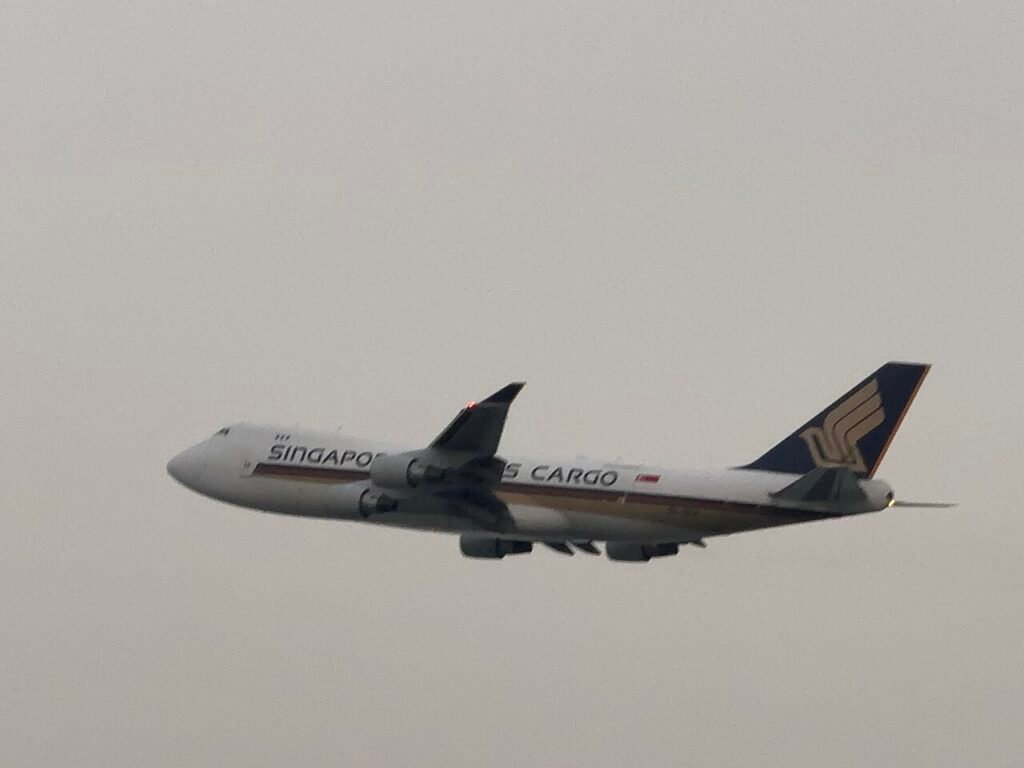
SAIF Zone was established in 1995 beside Sharjah International Airport and now hosts roughly 7,000 companies. It is run by the Sharjah Airport International Free Zone Authority and built around air cargo, with road access to Port Khalid and Khorfakkan, which makes it a logistics and light-industrial jurisdiction rather than a service one.
The zone’s defining asset is the runway on its doorstep. For anyone moving electronics, perishables or high-value components by air, that proximity takes a customs-and-trucking step out of the supply chain. Dubai International sits 20 to 30 minutes away off-peak, so the zone is not remote — but nobody pays a SAIF Zone renewal for the commute.
That focus shows in what the authority actually leases. Alongside desks and offices there are warehouses from 125 sqm, land plots from 2,500 sqm, a dedicated Jewellery Park, retail showrooms, container parking and on-site labour accommodation. This is a different proposition from Sharjah’s coastal heavy-industry option: Hamriyah Free Zone is built around its own deep-water port and suits bulk, marine and oil-and-gas operators, where SAIF Zone suits higher-velocity, lower-volume goods.
Three structures are available: the Free Zone Establishment (FZE) for a single shareholder, the Free Zone Company (FZC) for two or more, and branches of existing UAE or foreign companies — all inside the same industrial estate.
The Entry Package Is Not Where SAIF Zone Earns Its Money
A standard single-activity office package runs roughly AED 10,800 a year including a flexi desk and up to three visa allocations. Multi-activity packages sit near AED 21,150 and a furnished SAIF Suite near AED 28,650. Second-year renewal on a minimal package runs around AED 13,350, so renewal is not cheaper than year one.
Agent quotes vary, and standalone trade licence figures circulate between roughly AED 8,500 and AED 15,000 depending on what a quote silently includes — treat third-party numbers as indicative and confirm the schedule with the authority. The additions are predictable but rarely quoted. A PO Box costs roughly AED 1,000, the establishment card is billed separately, and 5% VAT applies on top of most authority service fees — a line that rarely appears in a sales quote but always appears on the invoice. The renewal figure is the one to plan around: AED 10,800 coming back at roughly AED 13,350 means the flexi-desk tier gets less attractive every year you hold it.
Where the zone becomes genuinely competitive is space. Budget roughly AED 54,000 a year for about 1,300 sq ft of warehouse and roughly AED 213,000 for about 6,400 sq ft, with 250, 400 and 500 sqm units in between. Against equivalent Dubai industrial space those are serious savings, and they are the reason to be here. If your plan never involves a warehouse or a plot, run an emirate-by-emirate cost comparison before committing, because you are paying for infrastructure you will not use.
Every Activity Category Needs Its Own Licence
SAIF Zone separates trading, service and industrial activities into distinct licence categories, and combining categories means paying for each or upgrading to a multi-activity tier. E-commerce, general trading, multi-activity and aviation licences all sit near AED 21,000, roughly double the single-activity entry price.
This is the trap that catches founders who write an over-broad activity list at application. Pairing management consultancy, a service activity, with electronics trading, a commercial one, does not fit under a single entry-tier fee: you buy two licence lines or move to the multi-activity tier near AED 21,150. Deciding what you will actually invoice for in year one is worth several thousand dirhams.
If you genuinely deal in unrelated categories of goods, a general trading licence is the efficient answer despite the higher headline. Industrial licences work differently again: they require a leased warehouse or land plot, because the authority wants physical substance behind a manufacturing permission. They are not available on a flexi desk at any price.
Your Facility Sets Your Visa Ceiling
Visa quota in SAIF Zone follows the facility, not the headcount you plan. Entry office packages carry up to three allocations and typically cap around six, an unfurnished SAIF Office of about 22 sqm carries around three, a SAIF Suite carries up to eight, and warehouses and land plots scale from there.
The practical consequence is that raising your quota means upgrading your lease, not paying a small add-on. A team growing past six forces a move to a Suite or full office, changing your overhead by tens of thousands a year. Model year-three headcount before choosing the year-one facility.
The visas themselves are a separate government cost. Per person, budget roughly AED 3,840 for an owner on standard processing or about AED 4,040 urgent, and roughly AED 3,245 for an employee, plus roughly AED 755 for the medical fitness test and roughly AED 370 for the Emirates ID. Owner visas run three years and employee visas two, so the renewal cycles never align.
The Licence Is Fast, the Residency Is Not
Company registration takes about five days and licence issuance runs from same-day to a few working days subject to security clearance, with realistic end-to-end approval and collection at five to seven business days. Full operational readiness including Emirates ID, visa stamping and a corporate bank account realistically takes four to eight weeks.
The gap between those two numbers is where expectations break. A licence PDF is not an operating company. After issuance you still need the establishment card, the PO Box, then the entry permit, medical, Emirates ID and stamping for every visa on the quota — and if you are relocating from abroad, budget at least two weeks physically in the UAE, because the medical and biometrics cannot be done remotely.
Corporate banking is the least predictable stage. Compliance teams scrutinise free zone entities without physical premises closely, and a thirty-year-old zone with real warehouses helps your file more than a virtual address would — but four to six weeks is a fair assumption even with clean documents. For a pure service business wanting speed and a lighter footprint, SHAMS offers a more streamlined digital route; for anything industrial, SAIF Zone remains the stronger fit.
Designated Zone Status Covers Goods, Not Services
SAIF Zone is a VAT designated zone under Cabinet Decision No. 59 of 2017. That status applies to the physical movement of goods — imports into the fenced area and transfers between designated zones — and not to services, retail sales or real estate, which carry standard 5% VAT. Verify current status against the FTA list.
For a re-export business the benefit is real: goods brought in from abroad and shipped out again move without triggering UAE VAT, protecting cash flow on inventory that never enters the domestic market. The moment those goods cross into the mainland, 5% VAT and import obligations apply to the importer of record. Designated status is a logistics instrument, not a tax shelter.
Corporate tax is separate and frequently confused with it. Free zone companies face 9% on profits above AED 375,000 unless they meet the Qualifying Free Zone Person tests, which require qualifying income, adequate substance in the zone and audited financials. It is not automatic, and it is worth checking your specific activity against the qualifying income and QFZP rules rather than assuming a free zone address delivers 0%.
When SAIF Zone Is the Wrong Answer
SAIF Zone is the wrong choice for founders who need a Dubai address for client perception, for anything touching alcohol service given Sharjah’s dry status, and for solo operators with no physical inventory, who pay industrial-grade renewals for infrastructure they never touch.
Address perception is a genuine cost in some sectors. Premium consultancy, finance and luxury goods buyers read a Dubai address differently, and no cost saving fixes that on a first call. Sharjah is also a dry emirate, ruling out any activity involving the sale or service of alcohol.
The weaker case, though, is the laptop business. If you need a licence and a residence visa to serve international clients, an AED 13,350 renewal buys you warehouses, container parking and a cargo terminal you will never visit. The zone’s infrastructure is its value; if you cannot name the part of it you will use, that is the answer.
Frequently Asked Questions
How much does a SAIF Zone company setup cost in 2026?
A standard single-activity office package with a flexi desk and up to three visa allocations starts at roughly AED 10,800 a year. Multi-activity, e-commerce, general trading and aviation licences sit near AED 21,000, and a furnished SAIF Suite with up to eight visas runs near AED 28,650. Add roughly AED 1,000 for a PO Box, the establishment card separately, roughly AED 3,840 in government visa costs per owner, and 5% VAT on most authority fees.
How many visas can I get with a SAIF Zone licence?
Your quota is set by the facility you lease, not the headcount you plan. Entry office packages carry up to three allocations and typically cap around six, an unfurnished SAIF Office of about 22 sqm carries around three, and a SAIF Suite supports up to eight. Warehouses from 125 sqm and land plots from 2,500 sqm carry larger allocations. Raising your quota means upgrading the facility, not paying an add-on fee.
How long does a SAIF Zone company setup take?
Registration takes about five days, and licence issuance runs from same-day to a few working days depending on security clearance, so five to seven business days is realistic for approval and collection. Full operational readiness is slower: establishment card, PO Box, entry permit, medical, Emirates ID, visa stamping and a corporate bank account realistically take four to eight weeks, with bank onboarding the least predictable stage.
What is the difference between SAIF Zone and Hamriyah Free Zone?
Both are Sharjah free zones, but their infrastructure points in different directions. SAIF Zone was established in 1995 beside Sharjah International Airport and is built around air cargo, light manufacturing and higher-velocity goods. Hamriyah Free Zone sits on the coast with its own deep-water port and suits heavy industry, bulk cargo, marine and oil-and-gas operators. Choose by how your goods move, not by headline package price.
Can a SAIF Zone company sell to the UAE mainland?
Not directly. A free zone licence permits trade within the zone and internationally, but selling to mainland customers requires a licensed distributor, a mainland branch or a separate mainland company. Goods moving from the designated zone into the mainland also trigger import and 5% VAT obligations for the importer of record. This covers last-mile delivery too — a free zone entity cannot run its own mainland delivery fleet.
Is a SAIF Zone company exempt from corporate tax?
No, not automatically. Free zone companies pay 9% corporate tax on profits above AED 375,000 unless they qualify as a Qualifying Free Zone Person, which requires qualifying income, adequate substance inside the zone and audited financial statements. Separately, SAIF Zone’s VAT designated zone status under Cabinet Decision No. 59 of 2017 applies only to the physical movement of goods, not to services or retail sales.
The Bottom Line
SAIF Zone is the right call for traders, distributors and light manufacturers who need air cargo on the doorstep and affordable warehouse space, at roughly AED 10,800 to AED 21,150 a year for the licence plus real estate. It is a poor call for service founders with no inventory, who pay industrial renewals for infrastructure they never use.
Judged as what it is, the zone holds up well. Three decades of operating history, roughly 7,000 companies, warehouses from 125 sqm and designated zone treatment on goods movement make it a credible base for anyone whose business is physical. The warehouse economics alone — roughly AED 54,000 a year for about 1,300 sq ft — are difficult to match in equivalent Dubai space.
Judged as a cheap licence, it disappoints. The entry package is mid-priced, the renewal at roughly AED 13,350 does not fall, and the activity-grouping rule pushes many real businesses to the AED 21,150 tier. Budget against the tier you will actually need, confirm current rates with the authority, and size the facility for year three.

