
By Sarah Al Mansoori | August 2026
Choosing the right jurisdiction for a corporate entity in the UAE requires looking past introductory marketing brochures and evaluating raw operational realities. A Dubai South free zone company setup represents one of the most strategically significant options for businesses tied to physical trade, aviation, and international logistics. However, it is not a universal solution for every entrepreneur. While highly advantageous for businesses needing direct access to major transport corridors, it may prove unnecessarily distant for purely service-oriented micro-consultancies that require daily client-facing activities in downtown Dubai.
The jurisdiction, originally known as the Dubai World Central free zone, is specifically built to cater to heavy-duty logistics, high-volume e-commerce, and aviation services. For companies establishing a DWC-LLC, the decision to base operations here should align with a long-term logistics strategy. This guide breaks down the true cost structures, physical space requirements, operational timelines, and regulatory frameworks of establishing a business in this master-planned hub as of August 2026.
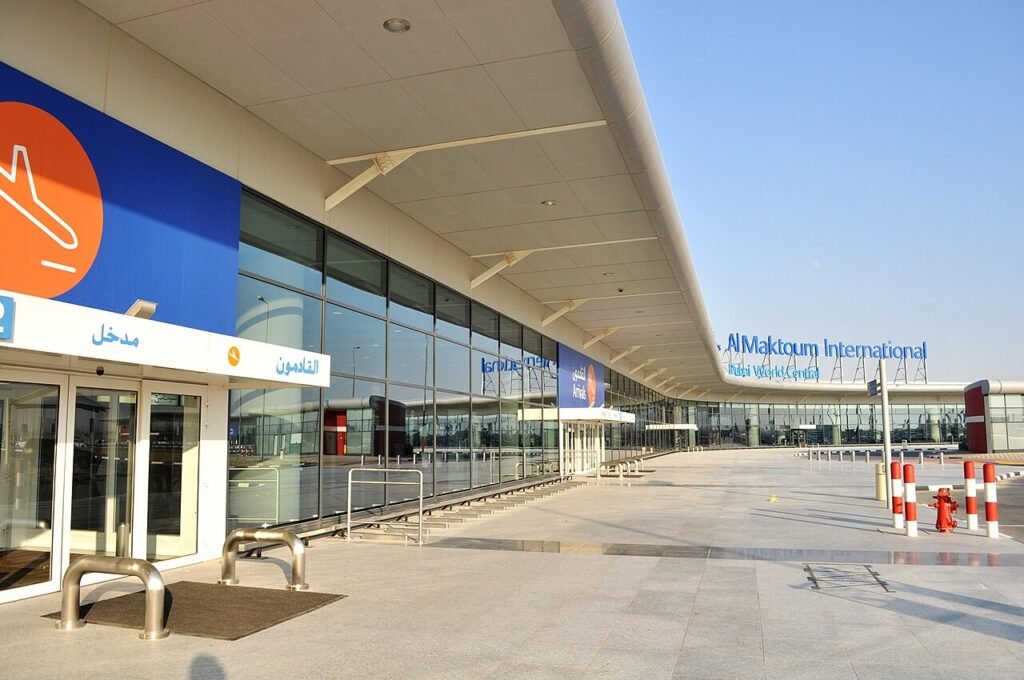
Dubai South represents a massive master-planned ecosystem surrounding Al Maktoum International Airport
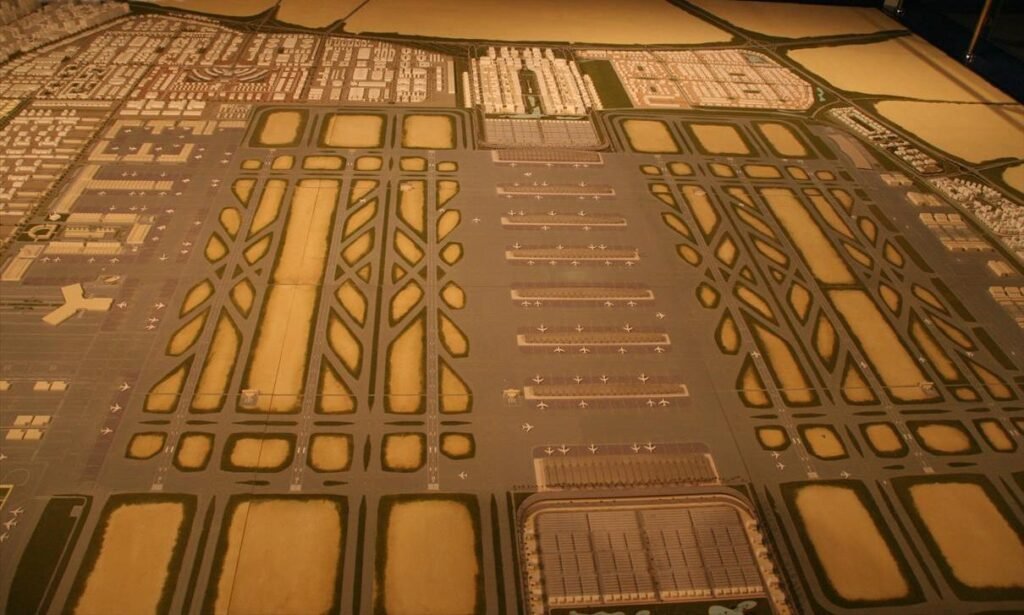
Dubai South is not merely a single office building but a massive 145 square kilometre master-planned development launched in 2006. The entire development is designed around Al Maktoum International Airport, which is positioned to become the world’s largest airport upon full completion. Operating within this zone allows companies to leverage a dedicated logistics corridor that connects air, land, and sea transport modes seamlessly.
The free zone is divided into distinct specialised districts, each tailored to specific operational profiles:
- The Business Park: Spanning approximately 10 square kilometres, this district is the primary hub for SMEs, technology startups, e-commerce offices, and professional consultancies. It features modern commercial buildings with flexible office solutions, including shared desks and private suites.
- The Logistics District: Encompassing around 25 square kilometres, this area is designed for freight forwarding, contract logistics, warehousing, and rapid fulfilment operations. It offers direct airside access and simplified customs processing.
- The Aviation District: This highly specialised zone focuses on maintenance, repair, and overhaul (MRO) activities, aerospace manufacturing, aircraft leasing, and specialized cargo handling.
- Complementary Districts: The master plan also includes Residential, Golf, and Humanitarian districts, alongside close proximity to the active Expo City area, creating a self-sustaining urban ecosystem.
Licence categories cater to specific trade and service requirements
To register a DWC-LLC, founders must select a licence category that accurately reflects their planned operations. The authority issues several distinct licence types, each carrying specific activity allowances and compliance requirements. Selecting the wrong licence can lead to delays during corporate bank account opening or customs registration.
The primary licence categories available include:
- Commercial Licence: Allows the holder to import, export, distribute, and store specified goods within the free zone and global markets.
- Service Licence: Designed for professional services, including IT development, management consulting, marketing, and HR services.
- E-commerce Licence: Tailored for digital retail operations, enabling businesses to sell goods online and manage logistics through local hubs.
- Logistics Licence: Issued exclusively to companies operating within the logistics corridor, allowing for multimodal freight handling and cargo management.
- Industrial Licence: Required for light manufacturing, assembly, packaging, and processing activities within designated industrial zones.
- Aviation Licence: Permits specialized aerospace operations, aircraft maintenance, and related support services within the Aviation District.
Understanding the real Dubai South licence cost and initial setup fees
When budgeting for a new venture, founders must anticipate both recurring annual fees and one-off administrative costs. The free zone authority does not publish a single public rate card, meaning that total figures are indicative market ranges as of August 2026. The baseline Dubai South licence cost varies significantly depending on the selected activity and physical space requirements.
Indicative annual licence fees are structured as follows:
- Service and Consultancy Licence: AED 8,500 to AED 15,000
- Commercial Trade Licence: AED 8,500 to AED 25,000
- E-commerce Licence: AED 9,000 to AED 18,000
- Logistics Licence: AED 10,000 to AED 85,000 (highly dependent on facility size)
- Industrial Licence: AED 12,000 to AED 50,000+
- Aviation Licence: AED 12,000 to AED 70,000+
- General Trading Licence: AED 45,000 to AED 95,000+
Beyond the licence itself, initial incorporation involves several administrative one-off fees:
- Trade name reservation: AED 600 to AED 1,000
- Registration and incorporation: AED 3,500 to AED 6,000
- Establishment card issuance: AED 1,500 to AED 3,000
- E-channel and immigration registration: AED 2,200+
Physical office space or desk space is a mandatory requirement for all registered entities. The annual costs for these facilities range as follows:
- Dubai South flexi desk / smart desk: AED 5,000 to AED 15,000
- Shared smart office: AED 12,000 to AED 20,000
- Private physical office: AED 25,000 to AED 50,000+
- Warehousing: AED 25 to AED 45 per square foot, with standard 500-square-metre units ranging from AED 40,000 to AED 85,000+
Finally, obtaining residency visas for investors and employees introduces additional costs:
- Investor visa (all-in, including medical and Emirates ID): AED 3,500 to AED 5,500
- Employee visa: AED 3,800 to AED 4,800
- Visa cancellation: AED 270 to AED 590
Taking these variables into account, a realistic Year 1 all-in cost for a Business Park setup with a flexi-desk and one investor visa ranges between AED 20,000 and AED 35,000. For a complex logistics operation utilizing physical warehousing, initial setup costs start around AED 45,000 to AED 85,000+ before accounting for custom fit-outs and equipment.
How physical space dictates your Dubai South visa quota
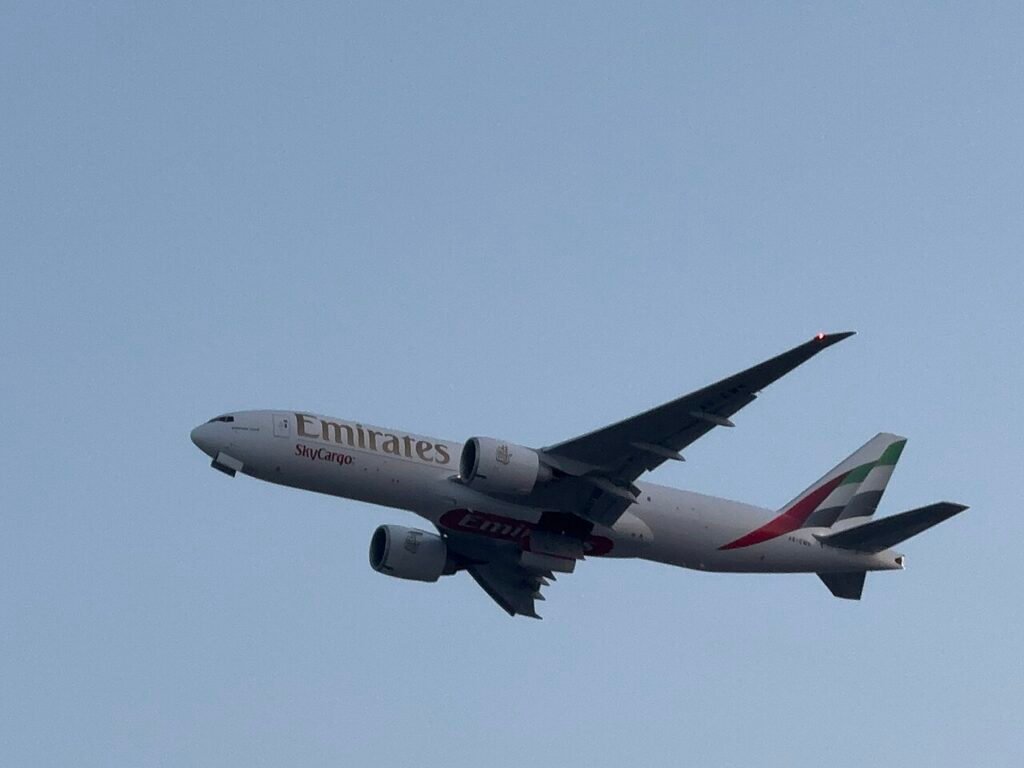
In the UAE, a business cannot hire unlimited staff without securing corresponding physical space. The Dubai South visa quota is strictly linked to the size and type of facility leased by the company. This regulatory measure ensures that businesses maintain a physical footprint proportional to their operational headcount.
For startups utilizing a flexible desk option, the authority typically allocates a quota of 1 to 3 visas, depending on the specific package selected during registration. Once a business outgrows this allocation, it must upgrade to a physical, dedicated office space. Within dedicated offices, the working benchmark across Dubai free zones is roughly one visa per 9 to 10 square metres of leased space, although some packages bundle a fixed visa allocation regardless of exact footage. Warehousing facilities scale differently, with quotas assigned based on the operational nature of the business and the total square footage. When planning your workforce expansion, understanding how to hire employees in a UAE free zone and manage the visa quota is crucial to avoid operational delays. Any request for a quota increase beyond standard parameters is subject to formal application and the authority’s sole discretion.
A step-by-step path to completing your Dubai South free zone company setup
The process for a Dubai South free zone company setup is highly structured and can be completed relatively quickly if all documentation is prepared correctly. Working with a clear roadmap prevents unnecessary delays during the registration and visa processing stages.
The standard incorporation process involves five key steps:
- Activity Selection and Name Reservation: Clearly define your business activities and submit three preferred trade names to the authority for approval.
- Document Submission: Submit the completed application form along with the required documents. These include shareholder passport copies, proof of residential address, a detailed business plan (compulsory for regulated, industrial, or aviation activities), the Memorandum and Articles of Association (MOA/AOA), and specimen signatures.
- Lease Agreement Signing: Finalise your lease for either a flexi-desk, a physical office, or a warehouse space.
- Licence Issuance: Pay the registration and licence fees. Once processed, the authority issues the commercial licence, certificate of incorporation, and share register.
- Visa Processing and Bank Account Opening: Apply for the company establishment card, initiate investor or employee visa processing, and begin the corporate bank account application.
While the initial licence approval can be completed within 1 to 5 working days on a clean application, a realistic timeline to become fully operational is 3 to 8 weeks. This extended period accounts for medical tests, Emirates ID processing, and the corporate bank account approval process, which remains the primary administrative bottleneck for new entities.
Comparing Dubai South with alternative major free zones
Choosing between Dubai’s premier free zones requires analyzing your supply chain and target market. Dubai South’s primary competitive advantage is its direct integration with Al Maktoum International Airport. For logistics, aviation, and e-commerce companies, this proximity minimizes transit times and provides unmatched scalability. Furthermore, the massive AED 128 billion expansion plans announced for the airport make an Al Maktoum International Airport business setup a highly strategic, long-term investment for global trade operations.
However, alternative zones may suit other business models better. For instance, companies heavily reliant on ocean freight may find Jebel Ali Free Zone more practical due to its direct integration with one of the world’s largest deepwater ports. For a comprehensive comparison of seaport-centric operations, consult the JAFZA company setup guide. Conversely, businesses requiring proximity to the traditional business districts of Dubai or specialized belly-hold cargo space on commercial airlines may prefer Dubai Airport Freezone. Review the detailed DAFZA company setup guide to evaluate whether a location next to Dubai International Airport aligns better with your corporate travel and light-cargo requirements.
Assessing long-term renewal expenses and corporate tax implications
Many founders overlook the ongoing costs of maintaining a corporate entity beyond the first year. In Dubai South, subsequent annual renewals generally cost between 80% and 90% of the first-year setup fees. While one-off registration and incorporation fees drop away, licence fees, lease rentals, and establishment card renewals remain recurring expenses. To budget effectively for the long term, founders should evaluate the three-year running cost of a UAE free zone company before committing to a specific zone.
Taxation is another critical factor for modern enterprises. While the UAE offers attractive tax incentives, registered companies are subject to the standard 9% corporate tax rate on taxable income exceeding AED 375,000 unless they qualify for exemptions. Simply being registered in a free zone does not guarantee tax-free status; companies must actively meet the strict criteria to be classified as a qualifying free zone person to access the 0% corporate tax rate. This includes maintaining adequate substance in the zone, earning qualifying income, and ensuring transactions are conducted at arm’s length.
Frequently Asked Questions
Can I operate a Dubai South free zone company on mainland Dubai?
No, a DWC-LLC cannot directly trade or deliver services on mainland Dubai without partnering with a local distributor, establishing a mainland branch, or utilizing a licensed mainland agent. It is restricted to operating within the free zone boundaries and handling international trade.
What is the minimum capital requirement for a DWC-LLC?
The standard minimum share capital for a DWC-LLC is typically AED 300,000, though this does not usually need to be deposited in a bank during the initial incorporation phase. Certain activities, particularly in aviation or logistics, may require higher capitalisation.
How long does it take to open a corporate bank account for a Dubai South company?
Opening a corporate bank account for a Dubai South company generally takes between 3 and 8 weeks depending on the profile of the shareholders. Banks conduct extensive compliance checks on new free zone entities, especially those involved in international trade.
Can I upgrade my flexi-desk to a physical office later?
Yes, you can upgrade your lease from a flexi-desk to a physical office or warehouse at any point during your licence tenure. The authority will adjust your lease agreement and update your visa quota based on the new square footage.
Are audits mandatory for companies registered in Dubai South?
Yes, companies registered in Dubai South are legally required to maintain proper financial records and submit audited financial statements annually. The audit must be conducted by a UAE-registered and approved auditor.
Is a business plan mandatory for all licence applications?
No, a business plan is not mandatory for standard commercial or service licences, but it is strictly required for industrial, aviation, and regulated activities. The authority uses the plan to assess space and safety requirements.
Thinking about Dubai South for your licence? Start your UAE business journey today →

